
Mastering Soft Skills for Career Success


Understanding the Importance of Soft Skills
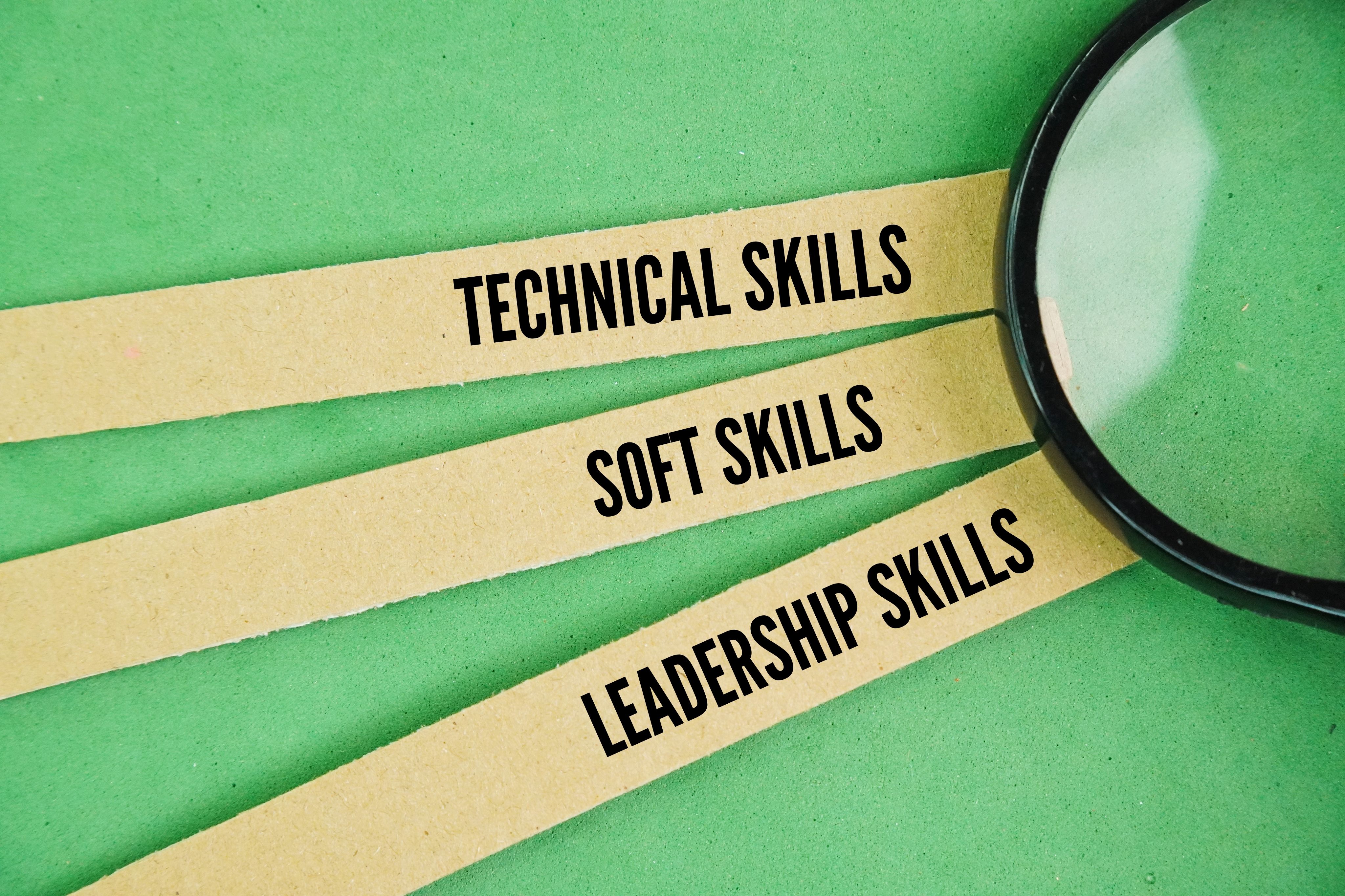
In today's rapidly changing job market, technical expertise alone is not enough to guarantee career success. Employers are increasingly emphasizing the importance of soft skills, which include communication, teamwork, and problem-solving. These skills are essential for effective collaboration and can significantly enhance your professional growth.
Communication: The Cornerstone of Success
Effective communication is crucial in any workplace. It involves not only speaking clearly and concisely but also listening actively. By honing your communication skills, you can express your ideas more effectively and understand others' perspectives, fostering a more collaborative and productive environment.
To improve your communication, consider joining workshops or practicing public speaking. These activities can boost your confidence and help you convey your thoughts more effectively in various situations.
Teamwork: Building Stronger Connections
Teamwork is about working collaboratively with others to achieve common goals. It's essential to be open to different viewpoints and be willing to compromise. Successful teamwork leads to increased productivity and innovation.

To enhance your teamwork skills, participate in group projects or volunteer for team-based activities. These experiences teach you how to navigate group dynamics and contribute positively to collective efforts.
Problem-Solving: Navigating Challenges
Problem-solving skills are vital in overcoming obstacles and finding effective solutions. Employers value individuals who can think critically and adapt to changing circumstances. By developing these skills, you can become a more valuable asset to your organization.
Engage in activities that challenge your critical thinking, such as puzzles or strategic games. These practices can sharpen your ability to analyze situations and devise effective solutions.

Adaptability: Thriving in Change
In our fast-paced world, adaptability is a key skill. Being open to change and willing to learn new things can set you apart from others. Adaptable individuals can navigate transitions smoothly and contribute to their organization's success.
To improve your adaptability, embrace new technologies and be open to feedback. This mindset will help you stay relevant and resilient in your career.
Emotional Intelligence: Understanding Yourself and Others
Emotional intelligence involves being aware of your emotions and understanding others'. This skill helps in managing relationships and resolving conflicts effectively. High emotional intelligence leads to better workplace harmony and personal satisfaction.

To boost your emotional intelligence, practice self-reflection and empathy. By understanding your emotions and those of others, you can create a more supportive and cohesive work environment.
Conclusion: The Path to Career Success
Mastering soft skills is essential for career success. By focusing on communication, teamwork, problem-solving, adaptability, and emotional intelligence, you can enhance your professional prospects and contribute positively to your workplace. Start developing these skills today to pave the way for a successful future.